
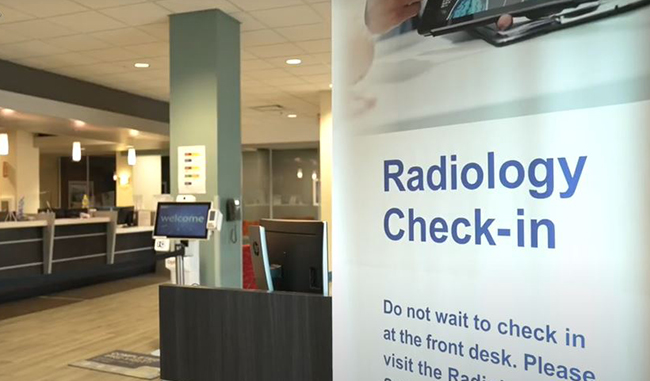
 Optum Radiology at Crystal Run Healthcare
 Same and next-day pediatric appointments
The difference between perimenopause and menopause
Perimenopause is the transition leading up to menopause, and it can last several years. Menopause begins when you haven't had a period for one full year.
If you’re a woman in your 30s, 40s, 50s or beyond, you may wonder which stage you’re in. Understanding the difference can help you feel more confident and informed.
Let’s quickly break it down: Perimenopause is the time when hormone levels begin to shift before menopause.1 Menopause is when you have gone 12 months in a row without a period. It marks the end of your menstrual cycle. In the United States, the average age for menopause is 51.2,3
When does perimenopause start?
There’s no specific age when perimenopause officially starts, but symptoms can start to show up in your 30s or 40s.1
During perimenopause, your body starts to make less estrogen and progesterone (the hormones that control your period). These changes can trigger symptoms.1
For some women, perimenopause may only last a few months. For others, it can last several years. On average, the time from starting symptoms to a final period is about four years.2,3
Signs and symptoms of perimenopause
The up-and-down hormone changes that come with perimenopause can cause1:
- Night sweats
- Mood changes
- Fatigue
- Joint pain
- Lower sex drive
- Vaginal dryness
- Weight gain
- Brain fog
Periods during perimenopause vs. menopause
You’ll still get a period during perimenopause, but your cycle may change.
You might have periods closer together, farther apart, heavier or lighter. Sometimes, you may even skip months.
With menopause, you will no longer get your period.
Common symptoms of menopause
Even after menopause begins, you might still have symptoms like1:
- Hot flashes
- Vaginal dryness, itching or pain
- Urinary problems like leaking urine or bladder infections
- Chills, sometimes after a hot flash
Treatment
If your symptoms are mild, you may not need treatment. But if they affect your daily life, treatments like hormone therapy can help with hot flashes or dryness. There are non-hormonal options available, too. Your doctor can discuss all the options available.
Additionally, simple lifestyle changes like lowering stress can also help with mood changes or trouble sleeping.
Key differences at a glance
Here’s what to remember about the differences between perimenopause and menopause:
During perimenopause:
- You’ll still get a period, but your cycle length may change
- You may have other symptoms like trouble sleeping, lower sex drive, moodiness, night sweats or joint pain
During menopause:
- You have not had a period or spotting in at least 12 months
- You may still have physical symptoms like hot flashes, vaginal dryness or urinary issues
When to talk with a doctor
Reach out to your doctor if your symptoms disrupt daily life or if you have heavy or painful periods. Always check in if you have bleeding after menopause or miss periods for reasons you can’t explain. Sometimes, another health problem could be the cause.
Takeaway
Perimenopause and menopause are natural parts of a woman’s life, but understanding their differences can help you feel more prepared. Perimenopause is when hormone levels start to drop and your period changes. Menopause is when your period has stopped for a whole year. No matter where you are on this journey, you’re not alone. If you’re feeling overwhelmed and want to know more about your treatment options for symptoms like hot flashes and vaginal dryness, speak with your doctor. They can help you navigate this stage of life with more ease and refer you to a specialist for additional support if needed.
Crystal Run obstetricians and gynecologists are committed to all aspects of women’s health. Our OB/GYN providers offer a full range of gynecological care for women of all ages, including routine exams, Pap smears, prenatal and obstetrical care as well as in-office procedures and minimally invasive surgery. Our in-office procedures include Intrauterine device (IUD) placement, Endometrial/Vulvar biopsy, Loop electrosurgical excision procedure (LEEP) and Urodynamic study. Our board-certified providers also perform minimally invasive surgeries, such as laparoscopic/vaginal robotic-assisted surgeries, to provide comprehensive OB/GYN care.
- American College of Obstetricians and Gynecologists. The menopause years. December 2025.
- Office on Women's Health. Menopause basics. March 2025.
- American College of Obstetricians and Gynecologists. Perimenopausal bleeding and bleeding after menopause. February 2024.
- Office on Women's Health. Menopause symptoms and relief. May 2025.